
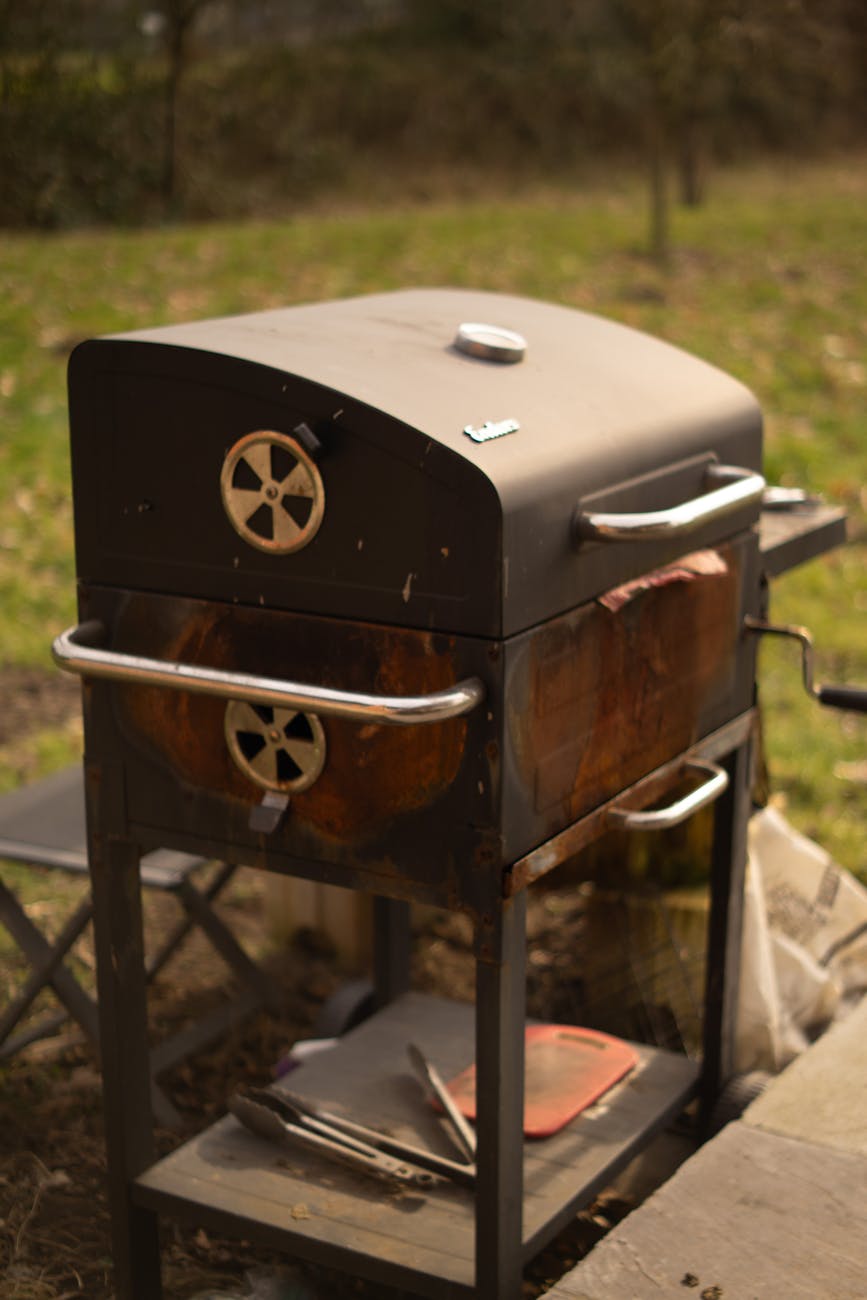
If your smoker temperature climbs 30 degrees, drops 20, then spikes again, you’re not alone. Temperature swings are one of the most common frustrations in backyard BBQ.
The good news? Most swings aren’t caused by bad equipment. They’re caused by airflow, fuel management, and how heat actually moves inside your smoker. Once you understand those three things, stabilizing your temperature gets much easier.
Airflow Controls Everything
Temperature in a smoker isn’t controlled by the fuel alone — it’s controlled by oxygen. More oxygen feeds the fire and increases heat. Less oxygen slows combustion and lowers temperature.
Small vent adjustments can create larger temperature changes than most people expect. Opening vents too quickly or too far often causes overshooting. Closing them abruptly can choke the fire and create a sudden drop.
Stable temperature usually comes from small, gradual adjustments — not big corrections.
Fuel Management Can Create Swings
In charcoal smokers especially, how you add fuel makes a huge difference. Dumping a full chimney of lit coals into an already running fire almost guarantees a temperature spike.
On the other hand, waiting too long to add fuel can cause a slow decline that’s hard to recover from without overcorrecting.
The key is consistency. Adding smaller amounts of fuel before temperatures crash keeps the fire steady instead of reactive. Pellet smokers aren’t immune either — sudden feed cycles can create short-term spikes if the smoker is fighting wind or cold weather.
Wind and Weather Change Everything
Even a steady smoker can behave differently depending on conditions outside. Wind increases airflow through vents and can push temperatures higher than expected. Cold weather pulls heat away from the smoker body, making it work harder to maintain temperature.
Direct sunlight can raise metal surface temperatures, while sudden gusts can create unexpected spikes.
Many temperature swings aren’t mechanical problems — they’re environmental reactions.
How to Stabilize Your Smoker Temperature
Stabilizing your smoker isn’t about chasing every small fluctuation. It’s about preventing big swings before they happen.
Make vent adjustments slowly and give them time to work before changing them again. Add smaller amounts of fuel consistently instead of waiting for large drops. Shield your smoker from strong wind if possible.
Most importantly, measure temperature at grate level so you’re reacting to the number that actually matters. Relying only on the lid gauge can make swings look worse than they really are.
Small Swings are Normal
Every smoker moves. A perfectly flat temperature line isn’t realistic, especially with charcoal. Small swings of 10–20 degrees are completely normal and won’t ruin your cook.
What matters most is avoiding dramatic spikes and crashes. When you understand airflow, fuel timing, and environmental impact, temperature control becomes predictable instead of stressful.
 Smoke Tested BBQ
Leave a comment