
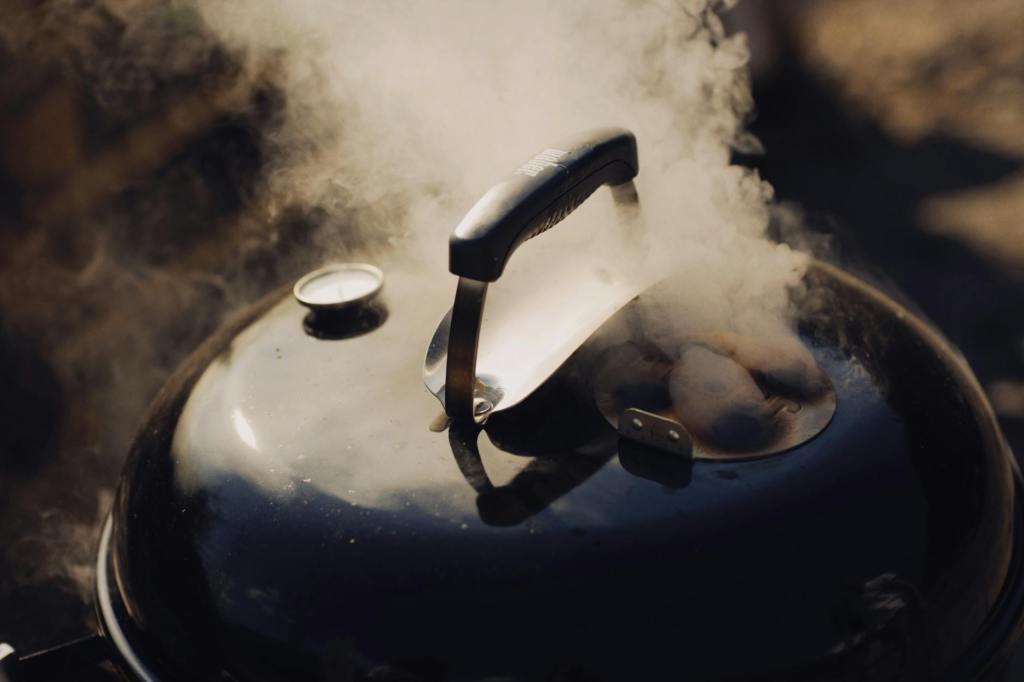
If you’ve ever looked at your smoker lid gauge and then checked your probe thermometer only to see a 20–50 degree difference, you’re not crazy. It happens all the time.
The problem isn’t usually your meat, your fuel, or even your technique. It’s understanding where temperature is actually being measured — and why those numbers rarely match perfectly.
Where the Lid Gauge Is Actually Measuring
Most built-in lid gauges sit high on the dome of the smoker. That means they’re measuring the air temperature near the top — not the temperature where your food is sitting.
Heat rises. So the top of the smoker is often hotter than grate level. On some setups, especially charcoal smokers, the difference can be 20–40 degrees or more.
That doesn’t mean the lid gauge is broken. It just means it’s measuring a different zone.
Why the Temperature Difference Can Be So Big
Several things make the gap between lid temperature and grate temperature even wider.
Airflow: Vents, wind, and how your smoker drafts can create hot spots and cool zones.
Fuel placement: In charcoal smokers especially, heat radiates unevenly depending on where the coals are sitting.
Water pans and drip trays: These absorb heat and can lower grate-level temperatures while the dome stays hotter.
When you combine those factors, it’s easy to see why your lid might say 275°F while your probe at grate level reads 235°F.
Which Temperature Should You Trust?
If your goal is consistent results, the temperature at grate level matters more than the number on the lid. That’s where your food is actually cooking.
Lid gauges are useful for trends — they tell you whether the smoker is climbing or dropping overall. But for accuracy, especially on longer cooks, grate-level readings are far more reliable.
That’s why using a probe thermometer at food level makes such a difference during real cooks.
What To Do About the Difference
The fix isn’t replacing your lid gauge — it’s understanding how to use it.
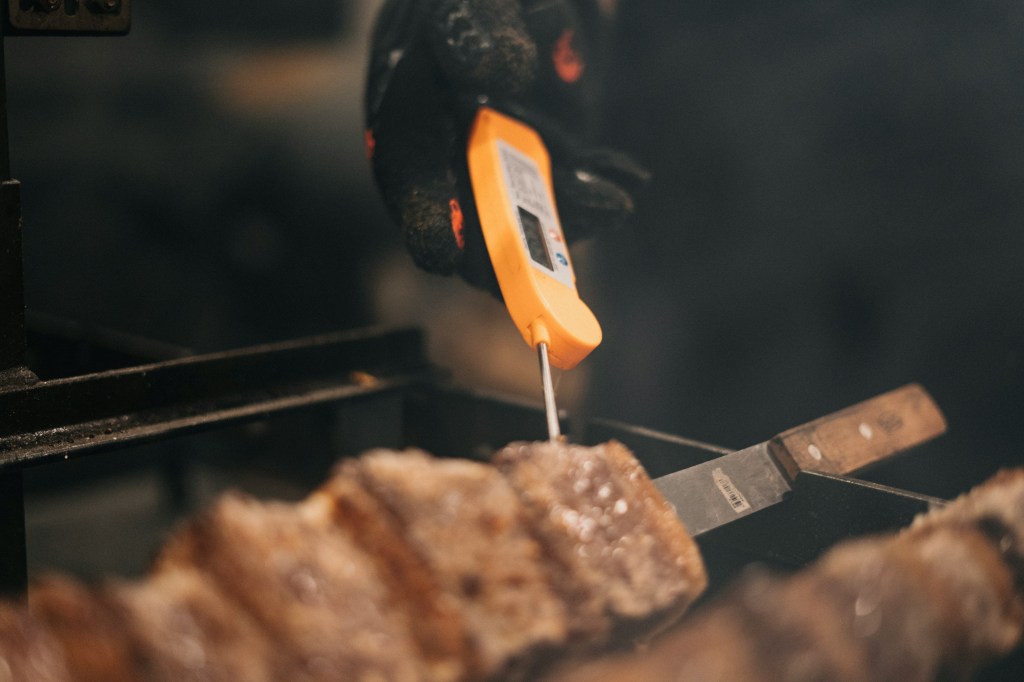
If you want the most accurate reading, place a probe thermometer at grate level, near the food. That gives you the number that actually matters.
Over time, you’ll learn how your smoker behaves. You might notice that when the lid reads 275°F, your grate level sits closer to 240°F. Once you know that pattern, you can adjust confidently without second-guessing every fluctuation.
Temperature swings are normal. Knowing where you’re measuring is what keeps you in control.
 Smoke Tested BBQ