Tag: Recipes

  • Target Temps for Chicken, Pork, and Brisket (No Guessing, No Panic)

    Target Temps for Chicken, Pork, and Brisket (No Guessing, No Panic)

    One of the fastest ways to ruin good meat is second-guessing temperature. Not because you don’t care—but because every chart online says something different. These are the target temps I actually use for chicken, pork, and brisket, and when I stop stressing and start trusting the numbers.

    Chicken Target Temps (Dark vs White Meat)

    Chicken is where most people get burned by guessing. White meat dries out fast, while dark meat actually gets better when you take it higher. That’s why lumping all chicken together leads to disappointment.

    For breasts, I’m looking for 160–165°F at the thickest part, then letting carryover heat finish the job. For thighs and drums, I don’t even think about pulling until they’re 175–185°F—that’s when the fat renders and the meat relaxes instead of tightening up.

    This is also where “close enough” stops working. Five degrees too early or too late makes a noticeable difference with chicken.

    Pork Target Temps (Chops vs Butt)

    Pork gets confusing because “pork” can mean two totally different cooks. Chops are lean and unforgiving. Pork butt is the opposite—it needs time and heat to break down.

    For pork chops, I pull them at 140–145°F and let them rest. Any higher and you’re squeezing moisture out for no reason. With pork butt, I don’t even start checking until it’s in the 195–203°F range, and even then I care more about feel than the number. My magic number has always been 203!

    If you’ve ever pulled a butt early because it “felt done,” you already know how badly guessing can backfire.

    Brisket Target Temps (Where People Freak Out)

    Brisket is where temperature anxiety really sets in. The stall hits, the cook slows down, and suddenly every decision feels urgent. This is also where obsessing over time does the most damage.

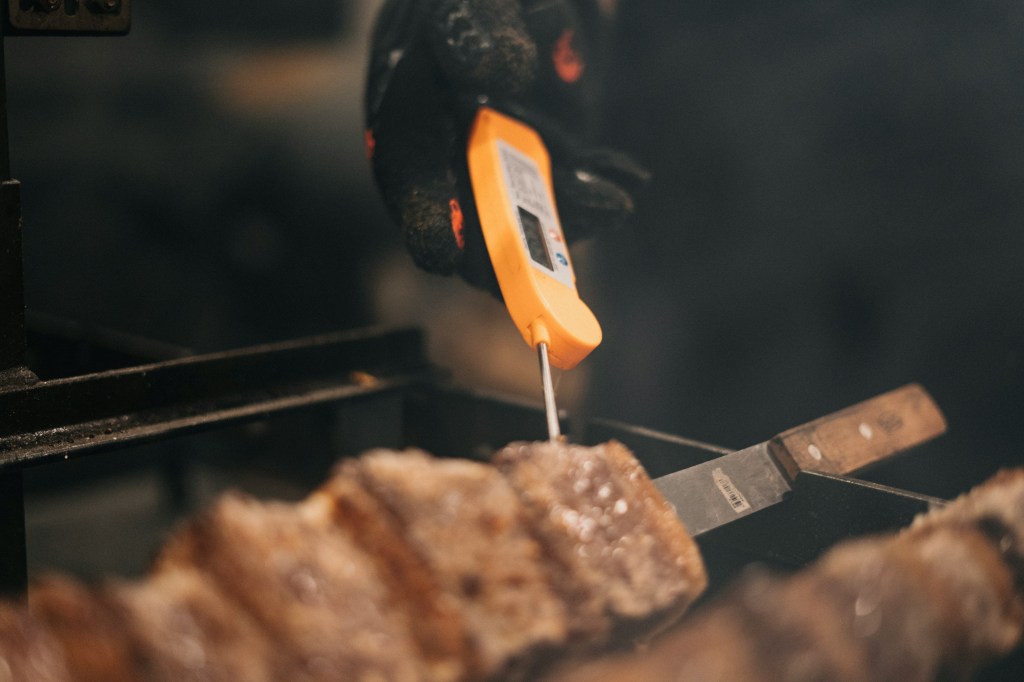
    I’m usually pulling brisket somewhere between 195–203°F, but the number alone doesn’t decide it. What I’m really checking for is feel—when the probe slides in with little to no resistance, especially in the flat.

    If the brisket isn’t probe-tender, it’s not done. And if it is, the exact number matters a lot less than people think.

    Why Temperature Is More Reliable Than Time

    Cook times sound comforting, but they lie. Weather changes, meat size varies, and every smoker runs a little different. That’s why relying on time alone creates panic halfway through a cook.

    Quick Target Temp Reference

    • Chicken breast: 160–165°F
    • Chicken thighs/drums: 175–185°F
    • Pork chops: 140–145°F
    • Pork butt (shoulder): 195–203°F
    • Brisket: 195–203°F

    Once you stop chasing time and start trusting temperature, cooking gets calmer and the results get better. Everything else is just noise.
  • Pellet vs Charcoal/Wood (Stick Burner) Smoker: What I’d Choose (and Why)

    Pellet vs Charcoal/Wood (Stick Burner) Smoker: What I’d Choose (and Why)

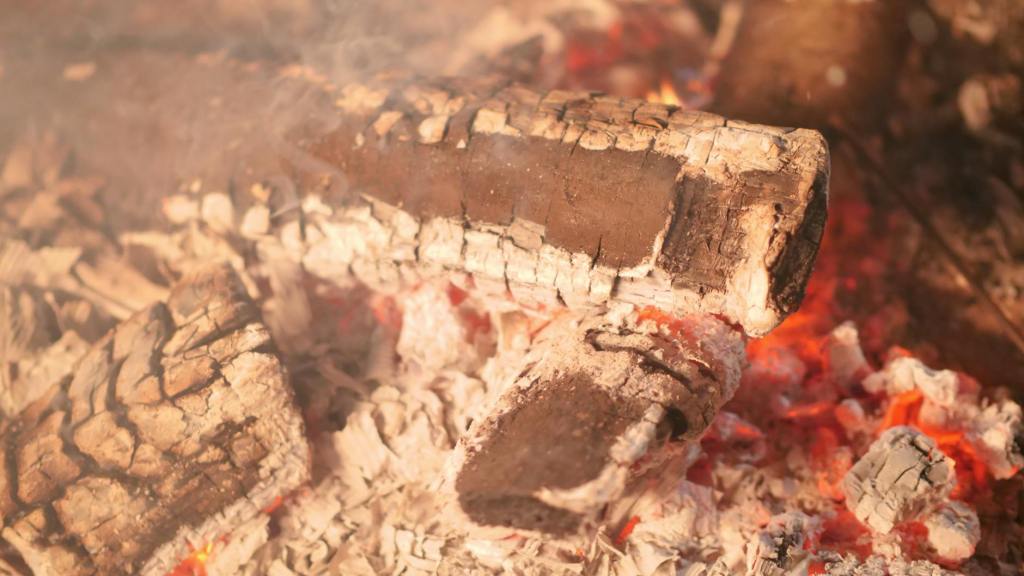
    Pellet smokers are popular for a reason—they’re easy. But if you’re asking what I’d choose all day long, it’s charcoal/wood (a stick burner). To me, pellet smokers take out the cooking element. A stick burner takes technique, attention, and patience—and the payoff is better smoke flavor and a cook that actually feels earned. Here’s my honest breakdown of pellet vs charcoal/wood, and why the stick burner wins in my backyard.

    Quick answer

    If you want set-it-and-forget-it convenience, get a pellet smoker.
    If you want stronger smoke flavor and real technique, go charcoal/wood (stick burner).

    Why I choose charcoal/wood (stick burner) every time

    • It keeps the cooking in BBQ (you’re managing fire, not pushing buttons)
    • More smoke flavor when you run it right
    • Better bark and texture on long cooks
    • It’s a skill—and it gets better every time you cook
    • It’s just more fun (and more satisfying)

    When a pellet smoker actually makes sense

    Pellet smokers are the right tool when you want BBQ results with less babysitting.

    • You want easy temperature control
    • You cook on weeknights and don’t have time to manage a fire
    • You want consistent results without a learning curve
    • You’re cooking for a crowd and need it to be predictable

    Smoke flavor: pellet vs stick burner

    This is the biggest difference to me. Pellet smoke can be good, but it’s usually lighter and cleaner. A charcoal/wood fire gives you deeper smoke flavor and that “real BBQ” profile—especially on brisket and pork butt. If smoke flavor is the whole reason you bought a smoker in the first place, a stick burner delivers it in a way pellets usually don’t.

    Pellet vs charcoal/wood: quick comparison

    • Ease of use: Pellet ✅✅✅ | Stick burner ✅
    • Smoke flavor: Pellet ✅✅ | Stick burner ✅✅✅
    • Temperature control: Pellet ✅✅✅ | Stick burner ✅✅
    • Learning curve: Pellet ✅ | Stick burner ✅✅✅
    • Fun / satisfaction: Pellet ✅✅ | Stick burner ✅✅✅

    Final take

    Pellet smokers are convenient and they absolutely have a place. But if you want BBQ that feels like you cooked it, and you care about deeper smoke flavor, charcoal/wood wins. A stick burner takes technique and attention—but once you learn it, nothing else hits the same.

  • How to Smoke Wings Without Rubbery Skin

    How to Smoke Wings Without Rubbery Skin

    Recommended Gear

    Disclosure: This post contains affiliate links (at no extra cost to you).

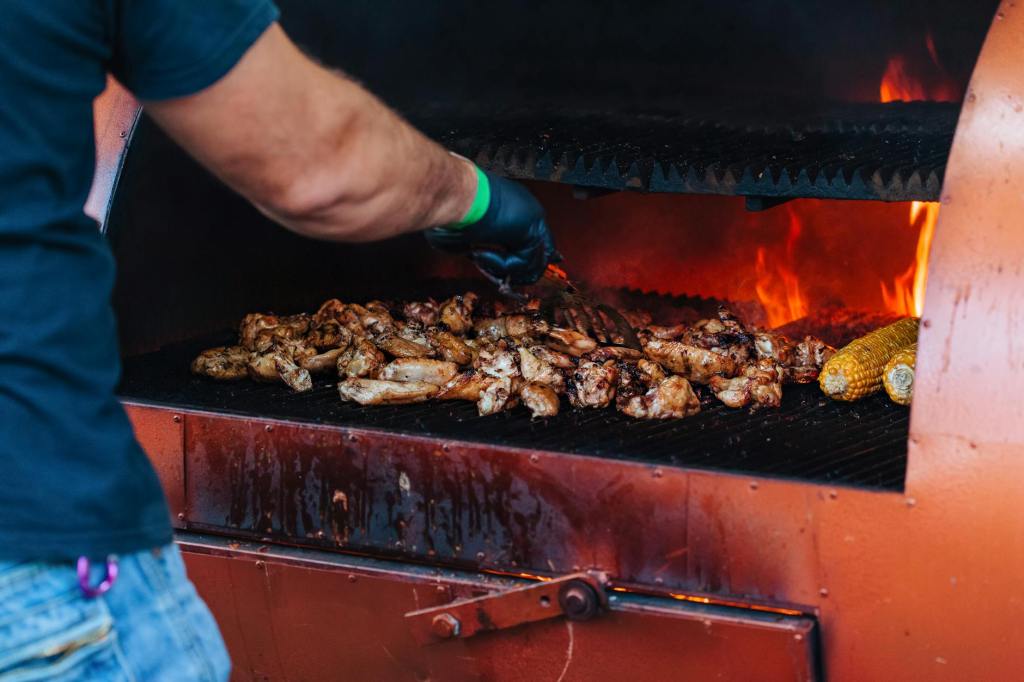
    Smoked wings are easy to cook… and easy to mess up. The flavor is usually great, but the skin comes out rubbery if you don’t do a few key things right. This is my simple, repeatable method for wings that taste smoked and bite clean.

    The quick fix (if your wing skin is rubbery)

    • Cook hotter than you think: 300°F–375°F
    • Dry the wings before seasoning
    • Use baking powder (NOT baking soda) in your rub for crispier skin
    • Finish with 10–15 minutes high heat (or a quick broil/grill finish)

    My simple smoked wing method (crispy skin, real smoke flavor)

    1. Dry the wings with paper towels (this matters).
    2. Season with your rub. For crispier skin, mix 1 tablespoon baking powder per 1 pound of wings into the rub.
    3. Smoke at 325°F for 45–60 minutes, flipping once if you want.
    4. When they hit 175°F–185°F, crank heat to 375°F for 10–15 minutes to tighten the skin. “If you’re shopping for a thermometer, I broke down what I’d buy (and what I’d skip) here.”
    5. Rest 5 minutes, then sauce (or don’t).

    Common wing mistakes (and the fix)

    • Cooking too low (225°F) → great smoke, rubber skin. Go 300°F+
    • Putting wings on wet → dry them first
    • Saucing too early → sauce at the end
    • Pulling at 165°F → wings are better at 175–185°F
    • Crowding the grate → give them space so they roast, not steam

    Quick FAQ

    Do I have to use baking powder?
    No. It just helps the skin crisp up. If you skip it, you’ll want a hotter finish.

    Can I sauce them and still keep the skin decent?
    Yes—just sauce at the end and keep the heat up for a few minutes to set it.

    What internal temp should wings be?
    Wings are safest at 165°F, but they eat better around 175–185°F.

    Final take

    Smoked wings don’t need to be complicated. Dry them, cook them hot, and finish with high heat. Do that and you’ll get wings that taste like smoke without chewing through rubber skin.