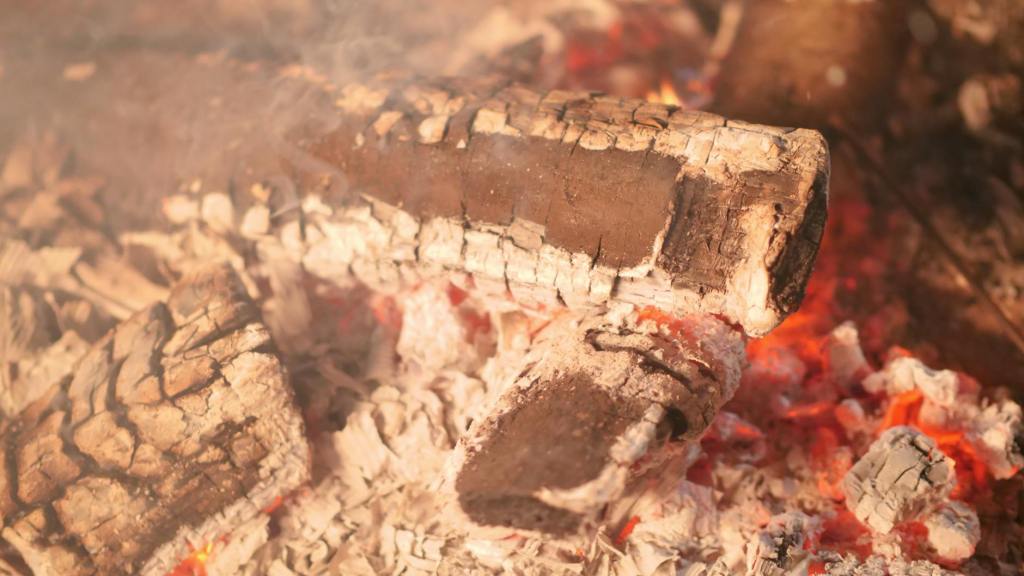
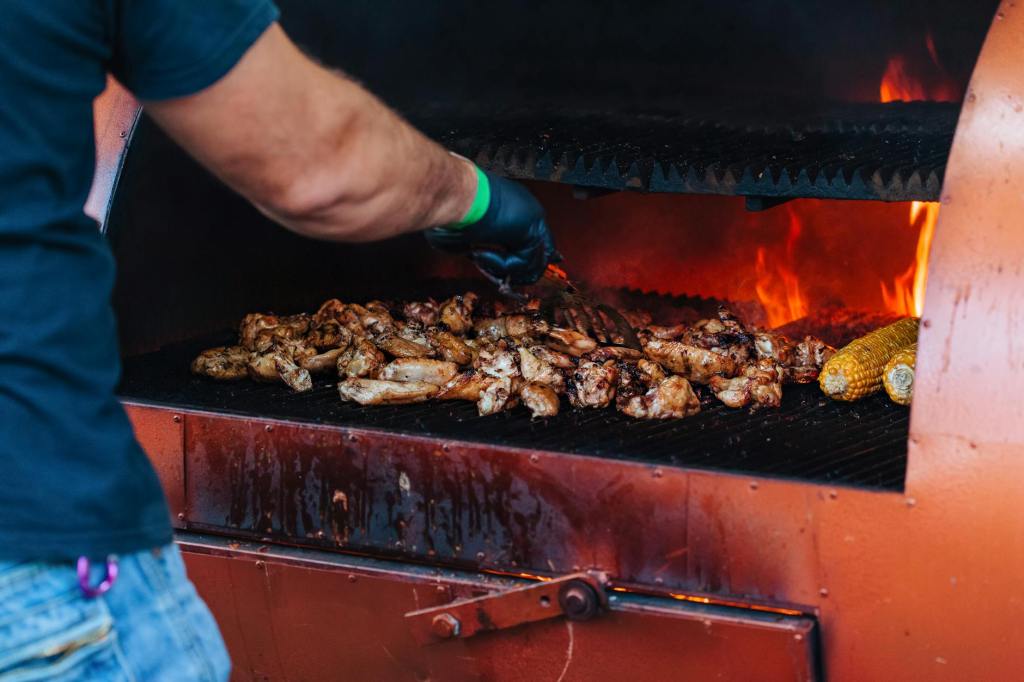
Pellet smokers are popular for a reason—they’re easy. But if you’re asking what I’d choose all day long, it’s charcoal/wood (a stick burner). To me, pellet smokers take out the cooking element. A stick burner takes technique, attention, and patience—and the payoff is better smoke flavor and a cook that actually feels earned. Here’s my honest breakdown of pellet vs charcoal/wood, and why the stick burner wins in my backyard.
“No matter which smoker you choose, consistent temperature control is everything—and a good thermometer makes that difference obvious.”
Quick answer
If you want set-it-and-forget-it convenience, get a pellet smoker.
If you want stronger smoke flavor and real technique, go charcoal/wood (stick burner).
Why I choose charcoal/wood (stick burner) every time
- It keeps the cooking in BBQ (you’re managing fire, not pushing buttons)
- More smoke flavor when you run it right
- Better bark and texture on long cooks
- It’s a skill—and it gets better every time you cook
- It’s just more fun (and more satisfying)
When a pellet smoker actually makes sense
Pellet smokers are the right tool when you want BBQ results with less babysitting.
- You want easy temperature control
- You cook on weeknights and don’t have time to manage a fire
- You want consistent results without a learning curve
- You’re cooking for a crowd and need it to be predictable
Smoke flavor: pellet vs stick burner
This is the biggest difference to me. Pellet smoke can be good, but it’s usually lighter and cleaner. A charcoal/wood fire gives you deeper smoke flavor and that “real BBQ” profile—especially on brisket and pork butt. If smoke flavor is the whole reason you bought a smoker in the first place, a stick burner delivers it in a way pellets usually don’t.
Pellet vs charcoal/wood: quick comparison
- Ease of use: Pellet ✅✅✅ | Stick burner ✅
- Smoke flavor: Pellet ✅✅ | Stick burner ✅✅✅
- Temperature control: Pellet ✅✅✅ | Stick burner ✅✅
- Learning curve: Pellet ✅ | Stick burner ✅✅✅
- Fun / satisfaction: Pellet ✅✅ | Stick burner ✅✅✅
“If you’re upgrading gear before changing smokers, this is the thermometer setup I actually trust.”
Final take
Pellet smokers are convenient and they absolutely have a place. But if you want BBQ that feels like you cooked it, and you care about deeper smoke flavor, charcoal/wood wins. A stick burner takes technique and attention—but once you learn it, nothing else hits the same.
 Smoke Tested BBQ